Crime Prevention Tips: March 2021
Each month, the Public Safety develops and distributes crime prevention tips covering topics of interest to the public, with the intention of educating the community about crime trends and prevention strategies.
The following crime prevention tips have been designated as the crime prevention tips of the month:
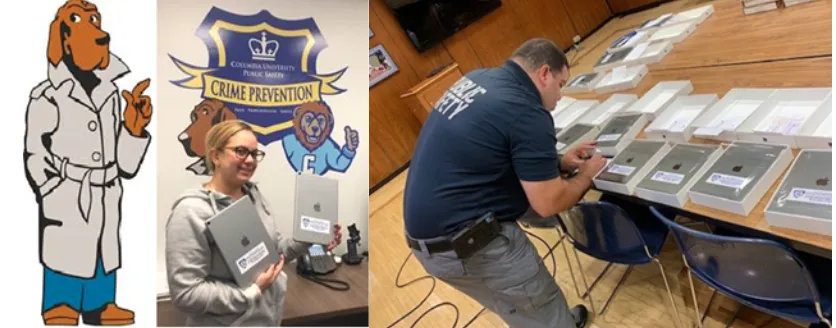
Have you registered your electronics with Public Safety’s Operation ID Program?
Operation ID is a GREAT lost & found tool & makes it difficult for a thief to resell your property!
Property registered in the program is registered with CU Public Safety and the local police nationwide.
Students, Faculty & Staff who would like to take advantage of this FREE effective program can set up an appointment right on-line.
Email to: [email protected]
We also welcome & encourage bulk Operation ID engraving for all Columbia Departments.
For more information or to set up an appointment please call our Crime Prevention Office: 212-854-8513 or 212-853-1440

Spring is in the air!
There are a number of bike shops in the Morningside, Medical Center, and Manhattanville communities that offer discounts with CUID for repairs, tune-ups, and merchandise. Please see the link for the bike shop nearest you: Bike Shops
Remember to Say “NO” to cable locks. They can easily be cut and your bike can be taken. Use a good U-shape lock. Check out Public Safety’s discount bike lock program: Bike Locks
The University promotes the many benefits of bicycle travel as part of a healthy culture and a more sustainable Columbia. See link for more information: Biking at Columbia

The pandemic proves to be fertile ground for identity thieves, with identity theft cases doubling in 2020 from 2019 according to FTC. Read more: ID THEFT
This is a perfect time to check your credit report against identity theft. It's FREE! Previously you were only able to get a free credit report once per year, now you can check it weekly through April 2021: https://www.annualcreditreport.com/index.action
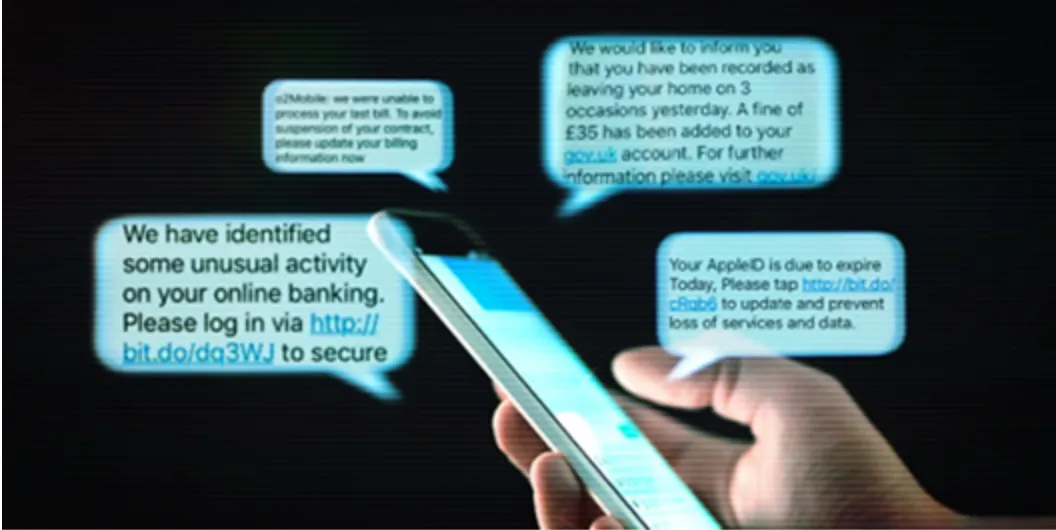
Most of us have heard of the term “phishing.” But did you know that phishing done by SMS (that stands for Short Message Service) text message has its own name? That’s right, it’s called “smishing.” While this type of scam has been around for a while, Scammers are now getting creative. Just like other types of phishing, smishing relies on the senders pretending to be someone they are not in hopes of getting ahold of your money or personal information.
How It Works
- You receive a text message that appears to be from a government agency or a company you are otherwise familiar with.
- The text asks for personal information, such as a Social Security number or an online account password.
-
It may direct you to click a link to resolve a problem or access a service — during the ongoing pandemic, it may relate to COVID-19 testing, vaccines, or contact tracing.
What You Should Know
- Scammers use technology to make it appear that texts are coming from a particular number, like the IRS or Social Security Administration, Department of Motor Vehicle, or from a company you may do business with.
The message will relay seemingly urgent information that requires you to act right away, your benefits have been suspended, your account has been compromised, or you need to sign up for a COVID-19 vaccine, for example, the message will include a link for you to click on to address the situation.
What Should You Do?
- Develop a habit of pausing before clicking on texts. Surveys show we are more likely to read and react to a text message than an email, which is why scammers have flocked to smishing.
- Don’t click on links from suspicious texts; it may result in loading malicious software onto your device that will harvest your credentials or sending you to a website that will do the same.
- If you have reason to believe the text may be legitimate, reach out to the sender — the IRS, UPS, Amazon or whomever at a number or web address you know to be legitimate.